Colored Concrete Walls vs. Traditional Concrete Finishes
People seeking concrete wall finishing often want durable, attractive surfaces; local contractors can help choose and apply colored concrete walls or traditional finishes to meet their style and needs.
If you’re exploring options for enhancing the appearance and durability of your property’s walls, understanding the differences between colored concrete walls and traditional concrete finishes is a practical step. Property owners in the area often consider these choices to boost curb appeal, add a personalized touch, or improve the longevity of their surfaces. Whether aiming for a bold, vibrant look or a classic, understated finish, the decision can significantly impact the overall aesthetic and functionality of outdoor spaces. Local contractors specializing in concrete wall finishing can provide valuable insights and skilled craftsmanship to help determine which approach best suits specific needs and style preferences.
As you delve into the benefits and considerations of colored concrete walls versus traditional finishes, it’s helpful to know that experienced service providers in the area are equipped to handle a variety of projects. They can assist in customizing the look of your walls, applying color, texture, and protective coatings to achieve the desired effect. Exploring these options with knowledgeable local contractors can ensure the results align with your vision while maintaining quality and durability. Keep reading to discover practical details and how professional concrete wall finishing services can bring your ideas to life.
- Concrete wall finishing services are often needed when homeowners want to enhance the appearance of their exterior or interior walls with either colored or traditional concrete finishes. Local contractors approach colored concrete walls vs. traditional concrete finishes by selecting suitable coloring techniques and surface textures to achieve the desired aesthetic. When designing decorative or visually striking spaces, service providers can help determine whether colored concrete or traditional finishes best suit the project’s style and durability needs. For renovations seeking a unique or customized look, local pros can apply specialized finishing methods to create vibrant or classic concrete surfaces. Individuals considering different concrete wall options can rely on local service providers to advise on the best finishing approach for their specific goals.
When people search for information about colored concrete walls versus traditional concrete finishes, they often want to understand the visual and functional differences between these options. Homeowners considering a new concrete project may be exploring ways to enhance the appearance of their property, whether for a driveway, patio, retaining wall, or decorative feature. The choice between colored concrete and traditional finishes influences the overall aesthetic, durability, and maintenance needs of the surface. Many are seeking to determine which option aligns best with their design goals, whether they prefer a bold, vibrant look or a more natural, understated appearance.
This comparison is particularly relevant for property owners planning renovations or new constructions that involve exposed concrete surfaces. Problems such as surface cracking, staining, or fading over time often lead homeowners to consider decorative options that can improve longevity and curb appeal. Projects related to outdoor living spaces, commercial facades, or boundary walls frequently involve decisions about finishes that can withstand weather and regular use. Additionally, property owners might be trying to match existing structures or create a specific style, prompting them to explore the range of finishes available through local concrete finishing specialists.
Properties that commonly come up in this context include residential yards, commercial storefronts, industrial complexes, and public parks. In residential settings, colored concrete walls can add a personalized touch to garden borders, driveways, or pool surrounds, offering a customized look that complements the overall landscape design. Commercial properties may opt for decorative finishes to attract customers or project a professional image. Industrial facilities often focus on durability, but decorative options like colored concrete can still be incorporated for aesthetic purposes. Local contractors experienced in concrete finishing can advise on the best options for each property type, ensuring the chosen finish meets both aesthetic and functional needs.
Understanding the differences between colored concrete walls and traditional concrete finishes helps homeowners make informed decisions about their projects. Colored concrete involves adding pigments during mixing or applying stains afterward, resulting in vibrant or subtle hues that can mimic natural stone or other materials. Traditional finishes, such as plain poured concrete or stamped patterns, tend to emphasize texture and form without color. Local concrete finishing service providers can assist in choosing the right approach based on the property's style, location, and intended use. They can also help execute the chosen finish effectively, ensuring a durable, attractive result that enhances the property's overall appearance and value.
Stamped concrete projects - These projects involve intricate patterns and textures that require precise planning and finishing skills similar to colored concrete walls versus traditional finishes.
Exterior façade renovations - Applying decorative finishes on building exteriors demands expertise in surface preparation and finish application akin to concrete wall coloring and texturing.
Interior decorative concrete applications - Interior flooring and wall finishes often utilize coloring techniques and surface treatments comparable to those used in colored concrete wall projects.
Driveway and patio installations - These outdoor projects involve surface preparation and finishing methods similar to those needed for colored concrete walls versus traditional finishes.
Concrete staining and polishing services - These services require skill in surface treatment and color application, paralleling the techniques used in colored concrete wall finishes.
Retaining wall construction - Building and finishing retaining walls involves planning, surface preparation, and finishing skills that align with decorative concrete wall projects.
When comparing service providers for concrete wall finishing, it is important to evaluate their experience with similar projects, particularly those involving colored concrete walls versus traditional concrete finishes. Homeowners should seek out local contractors who have a proven track record of completing projects with the specific techniques and styles they desire. Asking for examples of completed work or references from previous clients can provide insight into a contractor’s familiarity with both colored and traditional finishes, helping to ensure that they are well-equipped to handle the unique aspects of each approach.
Clear communication of expectations is crucial when selecting a contractor for concrete wall finishing services. Homeowners should look for service providers who are willing to discuss the details of the project, including the desired finish, color options, and overall aesthetic goals. A reputable contractor will be able to explain the differences between colored concrete walls and traditional finishes, and how these choices may impact the final look and durability of the walls. Ensuring that expectations are well-understood upfront can help prevent misunderstandings and ensure the finished project aligns with the homeowner’s vision.
Reputable local contractors often distinguish themselves through strong references and transparent communication. When considering different service providers, homeowners should seek out those who are known for their professionalism and responsiveness. Good communication includes providing detailed explanations, listening carefully to the homeowner’s preferences, and offering guidance based on experience. References can serve as a valuable resource for understanding a contractor’s reliability and quality of work, especially when it comes to specialized finishes like colored concrete versus traditional options. Choosing a contractor with a solid reputation can contribute significantly to a successful and satisfying concrete wall finishing project.
Property owners often search for colored concrete walls vs. traditional concrete finishes when they are planning practical projects around their homes and businesses. Local pros provide Concrete Wall Finishing services for everyday jobs and straightforward project options.
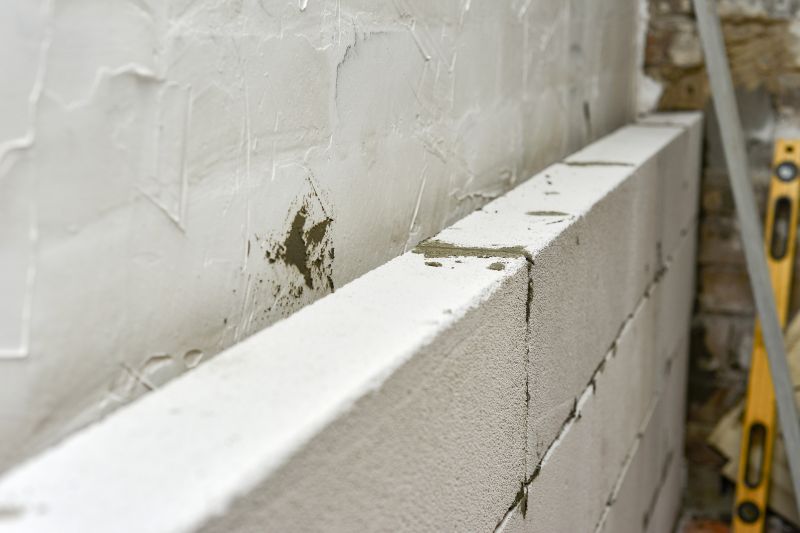
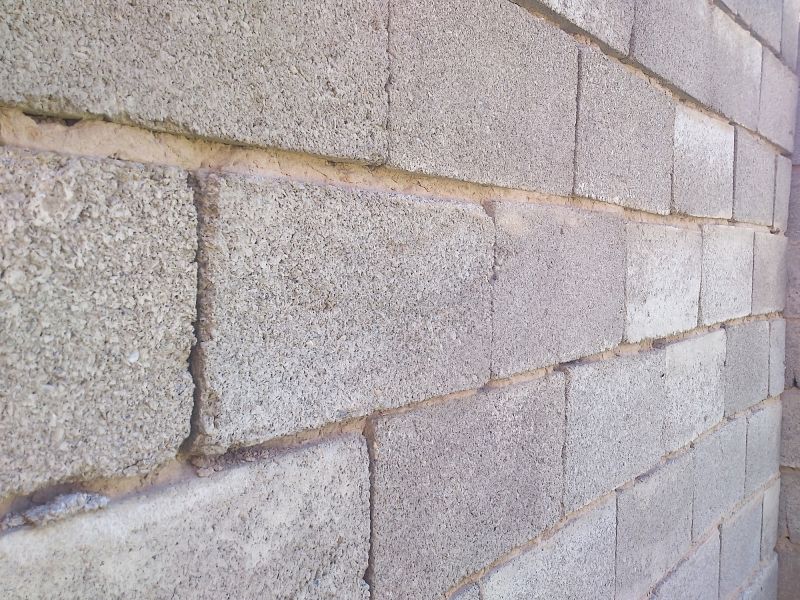
When considering concrete wall finishes for a property, property owners often weigh the visual appeal and durability of colored concrete walls against traditional concrete finishes. Colored concrete walls can add a vibrant, customized look to outdoor spaces, making them stand out and complement existing landscaping or architecture. On the other hand, traditional concrete finishes tend to offer a more classic, understated appearance that emphasizes the natural texture of concrete. For everyday projects like garden walls, patios, or boundary fences, many property owners browse this topic to understand which option aligns best with their aesthetic goals and long-term maintenance needs.
Local contractors who specialize in concrete wall finishing services can provide guidance on the advantages of each approach, helping property owners make informed decisions. Whether opting for colored concrete walls or traditional finishes, experienced service providers can handle the specific preparation, coloring, and sealing processes involved. This ensures the chosen finish not only looks great but also withstands the local climate and daily wear. By exploring options through local pros, property owners can find the right finishing style that enhances their outdoor spaces and meets their practical needs.
What are the main visual differences between colored concrete walls and traditional concrete finishes? Colored concrete walls typically feature vibrant or muted hues that can enhance aesthetic appeal, while traditional finishes usually have a plain gray appearance. Local contractors can help determine which option best complements the surrounding environment and design preferences.
Are colored concrete walls more durable than traditional concrete finishes? Both options can be durable, but colored concrete walls often have added surface treatments that may offer increased resistance to staining and weathering. Service providers can advise on the best finishing techniques to maximize longevity based on the chosen finish.
Can colored concrete walls be customized to match specific design themes? Yes, colored concrete walls can be customized with a wide range of colors and patterns, allowing for tailored designs. Local pros can assist with color selection and application methods to achieve the desired look.
Do traditional concrete finishes require less maintenance than colored concrete walls? Traditional finishes may require less upkeep initially, but colored concrete walls can be sealed or treated to reduce maintenance needs. Contractors can recommend maintenance routines suited to each finish type.
How do installation processes differ between colored concrete walls and traditional finishes? Installation of colored concrete walls often involves additional steps such as coloring or staining during pouring, whereas traditional finishes typically involve surface treatments after pouring. Local service providers can clarify the specific installation requirements for each finish type.
Color selection options - Property owners can explore various color choices with local contractors to customize concrete walls for aesthetic appeal and personal style.
Design versatility - Colored concrete walls allow for creative patterns or color blocking that can enhance outdoor or interior spaces, with local pros providing expert finishing techniques.
Finish durability - Traditional concrete finishes might offer a classic look, while colored options can add vibrancy; local service providers can advise on the best finish for durability and style.
Application techniques - Different application methods for colored concrete walls can create unique textures and effects, with local contractors helping to achieve the desired visual impact.
If you are thinking about colored concrete walls vs. traditional concrete finishes for a property, this guide is meant to help you understand this topic, the typical project types, and how different options might fit your plans.
When you are ready, you can use the quote form on this page to share a few details about your project. From there, local pros can review the basics and follow up with options that match what you have in mind.